
 Melanie just registered for I'm taking a vow of silence for rhinos
- Jasper just registered for Jasper's 50th birthday fundraiser
- Kate just registered for In memory of Robert
- Baby just registered for Running for Rhinos
- tom just registered for Bath Half
- tim just registered for mattgfgdfgds
- Keith just registered for World Rhino Day 2026 RSVP
 Chris Dancer just donated £22.00
 Emily & Jacob just donated £10.00
- Trias just donated £50.00
- Sophia just registered for World Rhino Day 2026 RSVP
- karen Tyler just donated £22.00
- Jav just donated £33.00
- Andrew Tickell just donated £33.00
 Ashleigh just donated £22.00
- Steve just registered for London Marathon 2027
- Didier just donated £103.00
- Mark Jarvis just donated £100.00
- Nicholas just donated £565.00
- Nicole Weigand just donated £33.00
Raise funds to place a camera trap in the wild
We’re aiming to raise £20,400 to provide our partners in Africa and Asia with 30 camera traps.
By committing to raise £680 through a fun fundraising challenge or event, you’ll help fund a camera and everything it needs to get to work, including a battery pack and SD card. Your efforts will help put this vital equipment where it’s needed most.
Progress
What are camera traps used for?
Rhino security
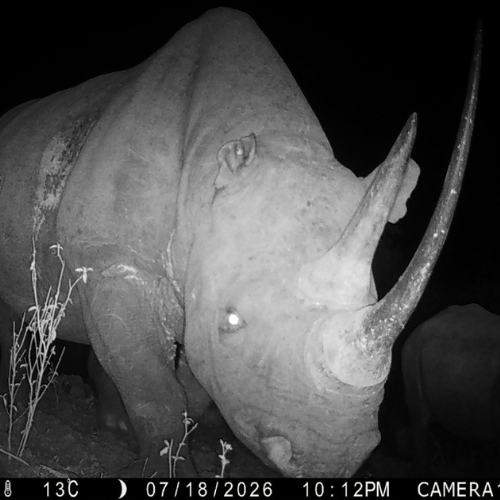
Camera traps provide conservation teams with an extra pair of eyes, day and night. Positioned along reserve boundaries, rhino movement corridors and at waterholes - where rhinos regularly gather- they transmit images to a central operations room in near-real time. The team can quickly determine whether the person detected is an authorised staff member, a tourist or a potential poaching suspect and, where necessary, deploy rangers within minutes.
Rhino monitoring
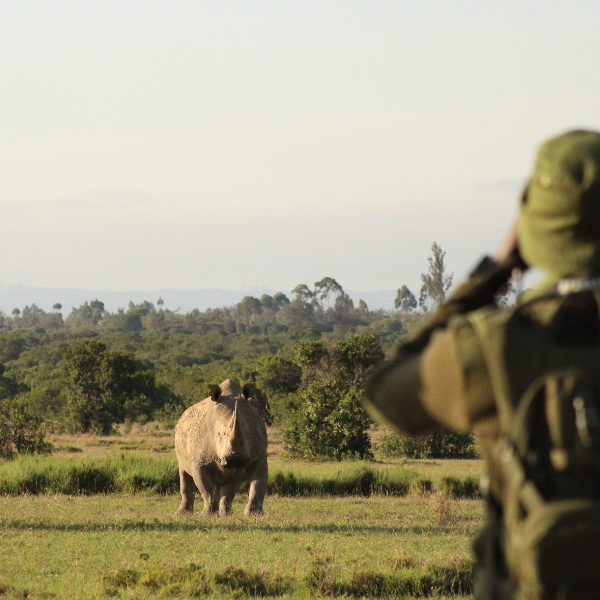
Camera traps also help monitoring teams build a clearer picture of a rhino population. Images captured across a reserve can reveal individual rhinos through distinctive features such as ear notches, horn shape and scarring. Over time, these sightings help teams follow their movements, record new calves, monitor how well young rhinos are surviving and understand whether the population is growing.
Built for a tough job
Protecting rhinos means working in some of the world’s toughest conditions and camera traps face plenty of challenges of their own.
Curios elephants
Curious elephants may investigate, move or destroy camera traps. Other animals can damage them, making careful placement important to keep cameras working effectively.
Poaching suspects
Suspected poachers may remove camera traps if they discover them. Careful positioning and camouflage help conceal this vital equipment so it can continue monitoring activity.
Environment
Extreme heat, humidity, dust, heavy rain and fire can damage camera traps. Equipment must withstand these tough conditions to keep recording rhinos in the wild.
Power & Energy
Batteries need replacing or recharging, while insects, wind and changing temperatures can trigger unwanted images which use up power and valuable memory space.
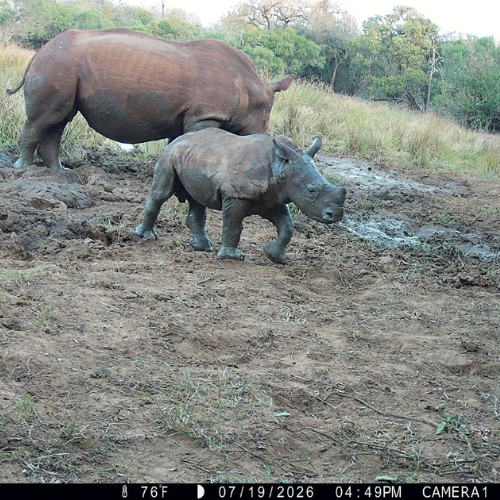
Help place a camera trap in the wild
Whether you decide to strap on some trainers, get out there and join a local run, take on a trek or walk, or hold a bake sale or pub quiz, you can fundraise your way to raise funds to place a camera in the wild.
Sign up today!
Decide how you're going to fundraise then register here for your very own fundraising page!
Thank you for your incredible support in providing this crucial tool to help make sure all five rhino species thrive in the wild.
Frequently asked questions
How much of my fundraising will go towards a camera trap?
For every £1 you raise, 85p will go towards purchasing a fully operational camera trap. The remaining 15p will help us raise the next £1.
Why do camera traps need to be replaced so often?
Elephants are inquisitive types and unfortunately often crush the cameras! Harsh weather conditions, from extreme heat to heavy rain, can also damage the equipment, meaning cameras need to be repaired or replaced.
Where will my camera trap be placed?
Your camera trap will be placed where it’s needed most by our conservation partners in Africa or Asia. It may replace a damaged camera or cover a new area to help monitor rhino behaviour and detect potential poaching threats.
We won’t be able to tell you exactly where your individual camera trap is placed, but we’ll share updates on the locations where cameras funded through this campaign have been installed.
When will the camera trap be placed?
Each camera trap will be installed as and when a camera is damaged or there is a need for a new viewing area to keep rhinos safe from poaching or to monitor their behaviour.